
How AI Is Changing Recruitment in 2026
AI in Recruitment

How AI Is Changing Recruitment in 2026

3 min read

Recruitment has changed more over the past two years than in the previous ten. AI has stopped being an experiment that HR teams tried "next quarter." In 2026, it's part of everyday work — from the first contact with a candidate all the way to signing the contract.

This article isn't about hype. It's about what actually works, where AI helps, and where you still need a human.

Automatic CV screening is no longer a topic

Back in 2023, companies bragged that AI could sort 200 resumes an hour. Today, that's a given. The interesting question is different: how exactly does AI sort them, and does it understand context?

Modern tools like Surikado don't just track keywords. They analyze:

  • real experience from job descriptions
  • the progression of career growth
  • consistency between the CV and answers given in conversation
  • soft skills hinted at by how a candidate writes

The result is a ranking of candidates that's not just faster, but often better than what a tired recruiter would produce at five in the afternoon.

Conversation instead of a form

The biggest change in 2026 isn't how AI evaluates a CV. It's that the CV is often no longer the first step.

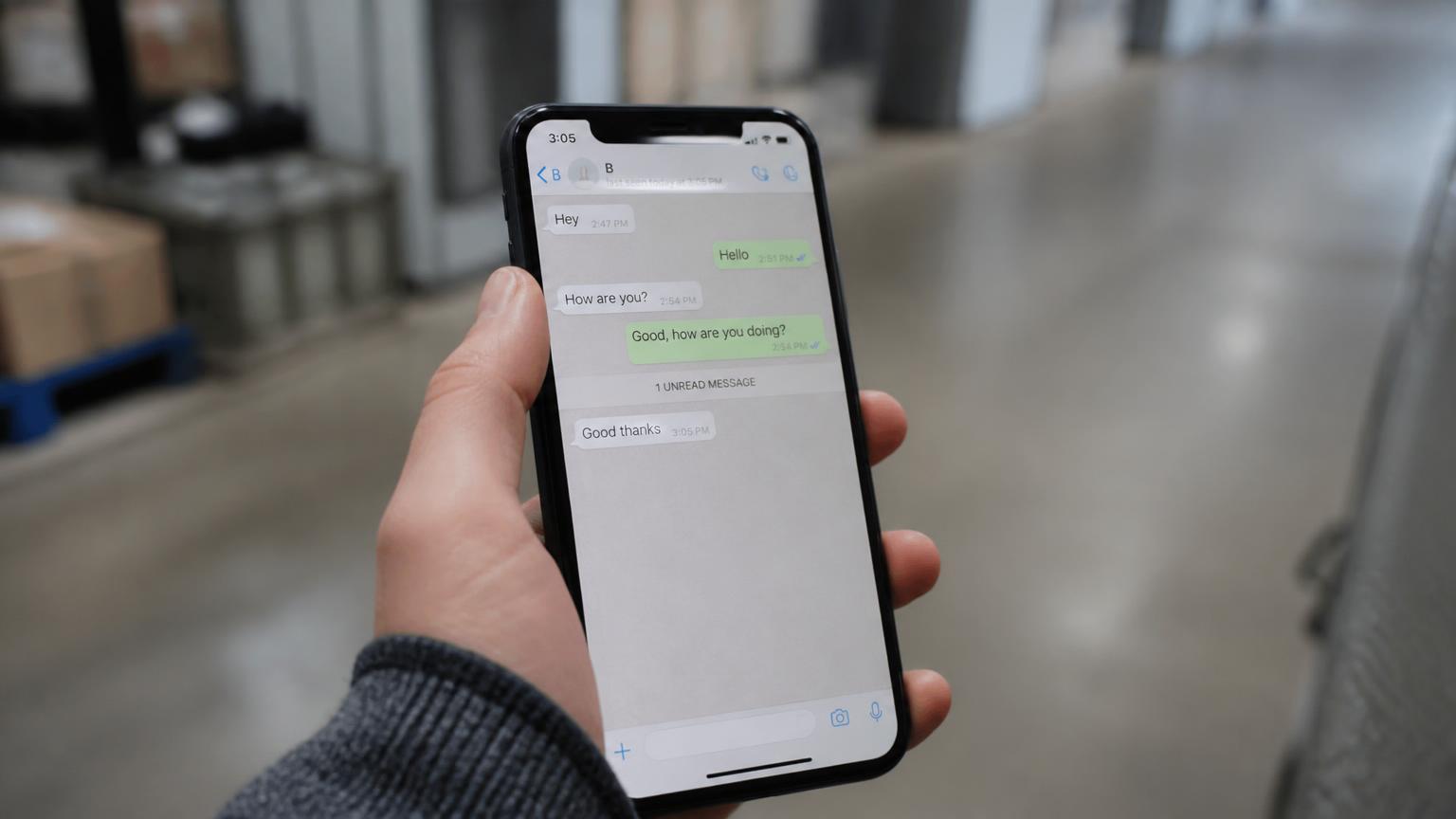
The candidate starts a conversation on WhatsApp or through a voice interface. AI asks about experience, languages, availability, and expected salary. In a few minutes, the company has the same information it used to get only after reading a CV and making a phone call. Except no one had to make that call.

For candidates, this is a huge difference. They don't need a resume. They don't need to sit at a computer. They answer whenever they have time — during a lunch break, on the way home, in the evening.

If you're curious how this works in practice, check out Surikado for Companies.

Voice interviews as screening

The second thing that stopped being an experiment in 2026 is AI voice interviews. It's not about replacing the human recruiter — it's about screening before them.

AI conducts a 5-to-10-minute interview in the candidate's language. It verifies the basics: competencies, motivation, availability, realistic expectations. The recruiter then reads the transcript and decides who to invite for an in-person meeting.

The effect: the recruiter no longer spends 15 hours a week on initial calls where, within the first two minutes, they already know it's not a fit. They spend that time with candidates who have passed basic selection.

Where AI still doesn't help

To be fair — AI doesn't solve everything:

  • Deciding on culture fit. AI can suggest. A human should decide.
  • Negotiation. Offer, counteroffer, agreeing on terms — that's still a human domain.
  • Onboarding. A new employee's first week makes a huge difference, and that can't be delegated to a chatbot.

Practical recommendation

If you're currently handling recruitment by sitting in Excel and sorting emails, start with one thing. Pick the most common position in your company and try filling it through an AI-first process. Don't change anything else.

In a month, you'll know what works.

In three months, you'll know why you never want to go back.
Share
5 Mistakes When Sourcing Candidates via WhatsApp
HR Tips

5 Mistakes When Sourcing Candidates via WhatsApp

2 min read

WhatsApp has 90%+ penetration in both Slovakia and Czechia. For candidates, it's the most natural communication channel – fast, mobile, without formality. For companies, it's a goldmine, if they know how to work with it.

Unfortunately, most companies treat it like email with a green color scheme. And they make five mistakes that cost them candidates.

1. Too formal first contact

"Dear Sir/Madam, I am writing to you regarding our job listing published on portal XY, where you expressed interest…"

You can send this by email. On WhatsApp, it sounds like you're writing to the tax office. The candidate won't start responding, and if they do, they'll also be formal. The conversation freezes.

How to do it better: short, human, straight to the point. "Hi Peter, we saw your profile. We have a warehouse position in Bratislava, gross 1,400 €, morning and afternoon shifts. Interested?"

2. Responding after two days

The candidate sends a message on Thursday evening. The recruiter sees it Monday morning. That's five days. In that time, the candidate received an offer from a competitor and has already started.

WhatsApp is a synchronous channel. Candidates expect a reply within hours, not days. If you don't have the capacity to respond within two hours during a workday, you need automation that at least confirms receipt and starts the conversation.

3. Sending links instead of conversing

"Please fill out the form at this link."

The candidate clicks. A 12-question form with a captcha opens. They close the tab and never come back.

WhatsApp works when you actually communicate through it. Not when you use it as a delivery service for outbound links. Take a look, for example, at how Surikado handles this – the entire screening happens directly in the chat, and the candidate doesn't have to open anything.

4. The same template for everyone

A copy-paste message is easy to spot. "Hello, we're looking for candidates for the {POSITION} role…" without specifics – location, salary, shifts, benefits – gets responses from desperate people. Not from the best ones.

Even if AI composes the message, it should include at least five concrete parameters the candidate needs to decide whether to open the conversation.

5. Ignoring "not interested"

A candidate writes "not now, thanks". The recruiter deletes them from the spreadsheet. Three months later, the same candidate is job hunting again – and never reaches out, because they don't remember you.

Not interested today ≠ not interested forever. A polite follow-up after three months ("Hi, just checking in to see whether you've found what you were looking for in the meantime") has a 20–30% success rate. Without spending anything on new sourcing.

Summary

WhatsApp is not email. It's not a portal. It's a conversational channel where people value:

  • speed
  • a human tone
  • specificity
  • continuity

Companies that understand this have double the response rate in the same market compared to those still using it as a delivery service for links.

Share

Find a better career and job offers today

Thousands of job offers in Slovakia. AI picks the best ones for you — free, no CV, via WhatsApp.

Find a job via WhatsApp